
Cart Abandonment Prevention: Practical Ways to Help Shoppers Complete Their Purchases
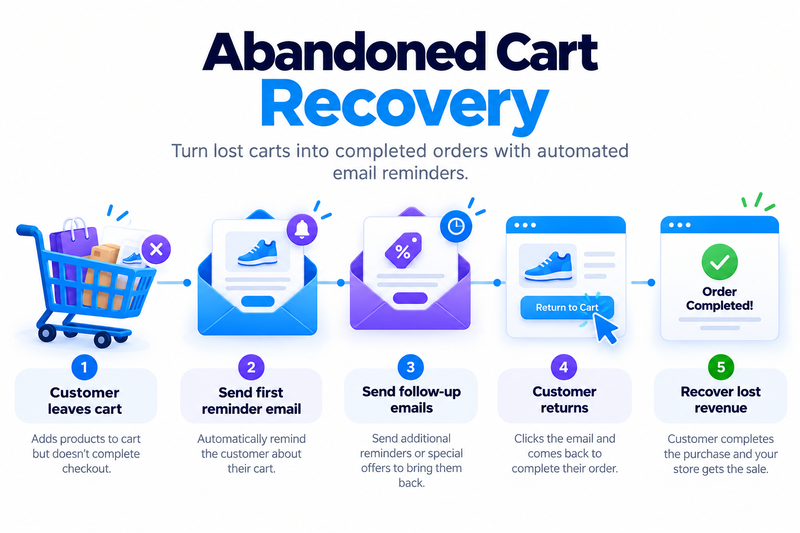
Getting shoppers to add products to their carts is only part of the buying journey. Some leave before placing an order because delivery costs appear late, checkout feels complicated, or they cannot find an answer to an important question. These problems can turn interested visitors into unfinished orders.
Cart abandonment prevention focuses on finding and fixing those problems before shoppers leave. A clearer checkout, useful product information, reliable payment options, and timely support can make it easier for customers to complete a purchase.
6 Practical Ways to Prevent Cart Abandonment
1. Show the Full Cost Early
Unexpected charges can change a shopper's decision at the final stage. If shipping fees, taxes, or handling costs appear only at checkout, the total may be higher than the customer expected.
Show available pricing and delivery-cost information as early as practical. If shipping depends on location or order value, explain how it is calculated. Make any conditions for free shipping clear instead of waiting until the last step to reveal them.
Review checkout data after changing shipping fees or pricing. This can help you understand whether clearer cost information is improving the number of shoppers who continue to checkout.
2. Make Product Details Easy to Understand
Some shoppers leave because they are not sure whether a product is right for them. Incomplete descriptions, unclear sizing, missing compatibility details, or limited images can make a decision difficult.
Provide accurate specifications, clear product images, size guides, usage instructions, and answers to common questions. For products where fit or compatibility matters, explain how customers can check before ordering.
Customer reviews and support conversations can reveal which details people often need. Use those insights to improve the relevant product pages rather than making every description longer without a clear purpose.
3. Simplify the Checkout Process
A checkout with too many steps can interrupt a customer who is ready to buy. Required account creation, confusing form fields, and repeated requests for information can add unnecessary effort.
Review the checkout as if you were placing an order for the first time. Where possible, offer guest checkout, label fields clearly, and ask only for information needed to process the order. If a field contains an error, explain how to fix it without making the customer start again.
Keep steps that are necessary for secure payment, delivery, fraud prevention, or legal compliance. The aim is to remove avoidable friction without putting order accuracy or customer security at risk.
4. Test the Complete Mobile Buying Journey
A shopper may discover a product and complete the purchase on a phone. Small buttons, slow-loading pages, difficult forms, or payment options that do not work properly can make the process frustrating.
Test the full journey on different screen sizes, from product selection to order confirmation. Check that text is readable, buttons are easy to tap, and customers can correct mistakes without losing their cart.
Compare checkout completion on mobile and desktop. If mobile abandonment is higher, investigate loading speed, form usability, and payment behavior before making broad changes to the store.
5. Make Delivery, Returns, and Trust Information Visible
Shoppers may hesitate if they cannot tell when an order will arrive, whether a product can be returned, or how to contact the business if something goes wrong. Hiding these details can leave important questions unanswered at the point of purchase.
Make delivery estimates, return and refund policies, contact information, and payment details easy to find. Use genuine reviews and accurate product claims. Avoid fake testimonials, unsupported guarantees, or security badges that do not reflect real protections.
Place information where it is most useful. For example, delivery and return details should be accessible from product pages and checkout, rather than buried several clicks away.
6. Offer Reliable Payment and Delivery Options
A shopper may leave if their preferred payment method is unavailable or the delivery choices do not meet their needs. The right options depend on the products you sell, the locations you serve, and what your business can reliably support.
Review checkout feedback and order data to see which payment methods customers request and where transactions fail. Offer dependable options that your business can support securely, and explain delivery estimates or restrictions before the final step.
Do not add options simply to make the list longer. Each choice should work properly and be clearly explained. Reliability matters more than offering a large number of options that create confusion or fail during checkout.
How to Find the Main Reason Shoppers Leave
Use this simple review process to identify where customers are getting stuck.
A. Check the checkout journey. Compare how many shoppers add items to their carts with how many reach checkout and place an order.
B. Look for the biggest drop-off. If many shoppers leave after delivery costs appear, review shipping information. If they leave on the payment page, check payment options and errors.
C. Test one change at a time. Update the step that seems to cause the most friction, then compare results before making another change.
A Practical Example
Imagine a store sees many shoppers leave after reaching checkout. The team could:
1. Check whether shipping fees appear too late.
2. Make delivery costs and estimated arrival dates clearer.
3. Compare checkout completion before and after the update.
This small test gives the store evidence about whether clearer delivery information helps more shoppers finish their orders.
How to Measure Cart Abandonment Prevention
After making a change, review these five measures to see whether the buying experience is improving.
1. Cart abandonment rate: Check what percentage of shoppers add products to their carts but leave without placing an order.
2. Checkout completion rate: Measure how many shoppers who begin checkout go on to complete their purchase.
3. Payment failure rate: Review failed transactions to find out whether payment issues are stopping customers from ordering.
4. Mobile conversion rate: Compare completed purchases on mobile devices with those on desktop to spot differences in the buying experience.
5. Customer questions about delivery or returns: Look for repeated questions that suggest important information is missing or difficult to find.
Compare results over the same length of time before and after each change. Avoid judging success from one day's sales alone, because other factors can affect the results.
When Cart Abandonment Prevention Needs Cart Recovery
Prevention can reduce avoidable friction, but it cannot eliminate every abandoned cart. A customer may get distracted, need more time to decide, or leave for a reason the store cannot resolve immediately.
In those cases, a relevant follow-up can help the shopper return without replacing the work needed to improve the buying journey. For example, Adflipr supports ecommerce marketing activities such as email marketing and abandoned cart follow-ups, which can support Cart Abandonment Prevention by helping businesses reconnect with shoppers who leave before completing an order. Businesses can review whether its available features fit their store setup and communication needs.
Any follow-up should be useful, respect the customer's consent and opt-out preferences, and stop once an order is completed. Keep prevention and recovery distinct: prevention improves the experience before a shopper leaves, while recovery offers a path back after they do.
Cart Abandonment Prevention Checklist
- Show product prices and delivery costs clearly.
- Include the product details customers need to make a decision.
- Remove checkout steps that do not serve a necessary purpose.
- Test the full buying journey on mobile devices.
- Make return, refund, delivery, and support information easy to find.
- Check that payment and delivery options work reliably.
- Review checkout exits and payment errors regularly.
- Use customer feedback to investigate repeated problems.
- Test focused changes and compare results over a meaningful period.
- Use respectful recovery follow-ups for shoppers who still leave, where permitted.
Final Thoughts
Effective cart abandonment prevention starts with understanding why shoppers hesitate and removing the barriers that make buying harder than it needs to be. Clear costs, useful product details, a straightforward checkout, and reliable payment options can help customers make confident decisions.
Start with the biggest problem shown by your store data, make one focused improvement, and measure the result. If shoppers still abandon their carts, use relevant follow-ups as a complement to a better shopping experience, not as a substitute for fixing checkout problems.
Comments
No comments yet. Be the first to comment!